Chemical Peel, Microneedling or Laser Resurfacing? Choosing the Right Treatment for Texture
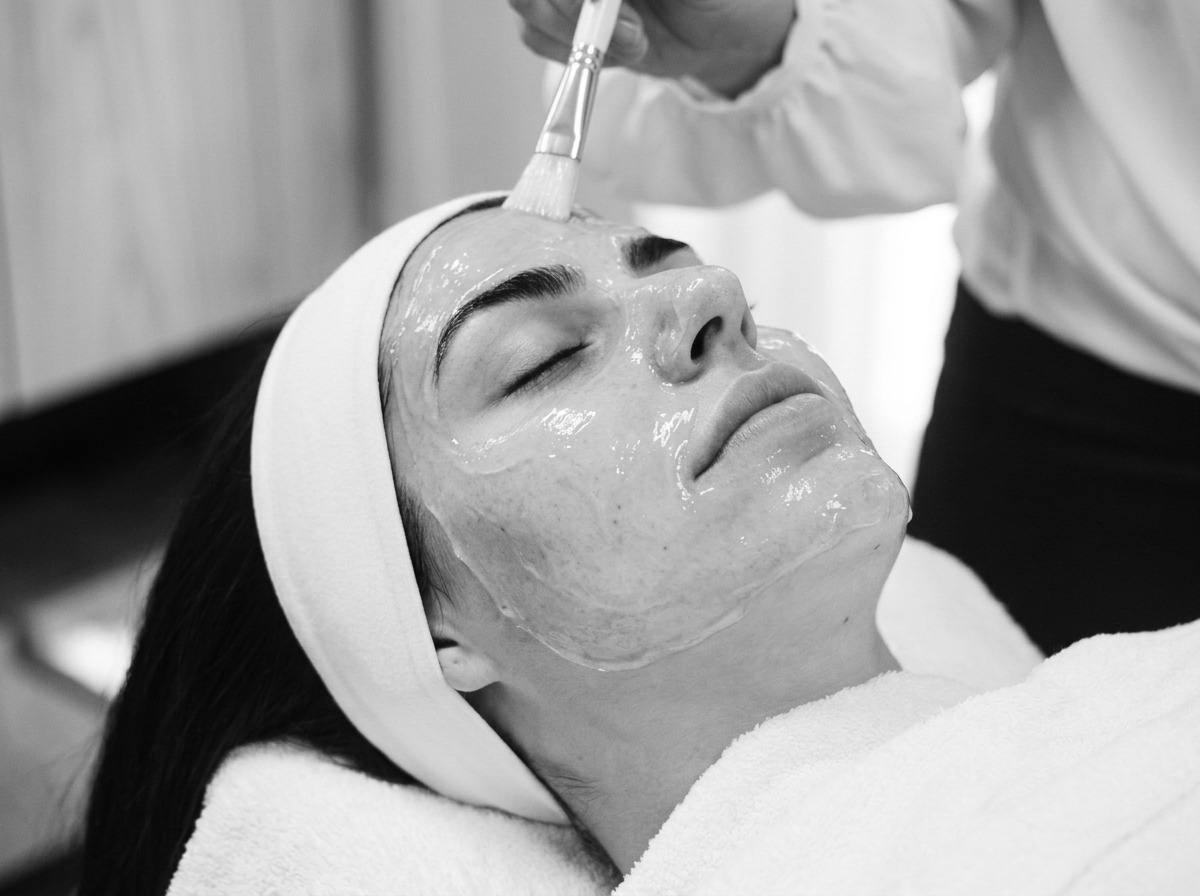
Rough skin, visible congestion, enlarged-looking pores, fine lines and acne scarring can all be described as “texture”—but they are not the same concern. The right treatment depends on whether the unevenness is sitting mainly at the surface, connected to collagen changes or established enough to require resurfacing.
Chemical peels, microneedling and fractional laser resurfacing each address texture differently. Here is how I decide which treatment belongs in a client’s plan.
When a Chemical Peel Is the Right Choice
A professional chemical peel uses controlled exfoliation to improve the skin’s surface. It is especially effective when rough texture is accompanied by congestion, recurring breakouts, post-acne marks, uneven pigmentation or fine surface lines.
At Event Skincare, the peel is chosen according to your current skin condition, pigmentation history and treatment goal. A salicylic- or mandelic-based formula may be selected for congestion and breakouts, while other formulas are better suited to visible pigmentation or rough, uneven texture.
A peel is often the right starting point when the skin needs less congestion and a smoother, more even surface rather than deeper collagen remodelling. The peels I offer usually involve little visible flaking. Mild dryness or light flaking can occur, but days of shedding are not expected.
For concerns that have developed over time, a planned series can create a more meaningful change than one isolated appointment. This allows each treatment to build on the results of the one before it while giving me the opportunity to adjust the peel as the skin responds.
When Microneedling Makes More Sense
Microneedling creates a controlled repair response below the surface, supporting new collagen formation. Improvement develops gradually as that collagen remodels.
It is well suited to enlarged-looking pores, early fine lines, mild textural irregularities and shallow acne scarring. It can also be used to support collagen maintenance as the skin changes with age.
Microneedling is not simply a stronger version of a chemical peel. It does not clear congestion or exfoliate accumulated surface cells in the same way, and it is not my first choice for active, inflamed breakouts.
If the skin is both congested and scarred, the initial plan may focus on controlling the breakouts and clearing the surface. Microneedling can then be introduced to address the remaining textural changes and shallow scarring.
When Laser Resurfacing Is the Better Tool
Fractional Er laser resurfacing is designed for more visible texture change. It delivers precise energy in a fractional pattern to resurface damaged areas while supporting efficient healing.
Laser resurfacing is better suited to more established fine lines, crepey texture, visible sun damage, pronounced surface irregularities or acne scars that are unlikely to respond sufficiently to surface exfoliation alone.
It creates a stronger renewal response than the chemical peels offered at Event Skincare and involves a more defined recovery period. This does not make laser automatically better. It makes it the appropriate tool for concerns that sit at a different depth.
Someone with rough, congested skin may benefit more from a chemical peel, while someone with established textural damage may be better served by fractional resurfacing.
How Do You Choose?
As a general guide:
Choose a chemical peel when your main concerns are roughness, congestion, breakouts, post-acne marks, uneven pigmentation or fine surface texture.
Choose microneedling when the priority is collagen stimulation, enlarged-looking pores, fine lines or shallow acne scarring.
Choose fractional laser resurfacing when texture changes are more visible or established, particularly when they are accompanied by significant sun damage and you can plan for recovery.
Sometimes the most effective plan uses these treatments at different stages rather than asking one procedure to do everything.
A series of peels may first improve congestion and surface buildup. Microneedling can then address residual textural change. Fractional resurfacing may be selected when a greater degree of correction is needed.
The Right Treatment Starts With the Right Assessment
I do not choose a treatment according to which option is most intensive. I look at what is actually creating the texture. Surface buildup, congestion and pigmentation require a different approach from collagen changes or scar tissue.
During a consultation at Event Skincare in Kelowna, I assess the texture itself, your pigmentation history, current skincare routine, goals and available recovery time. This allows me to determine which treatment—or sequence of treatments—is most likely to create the change you are looking for.
When roughness, congestion, post-acne marks or uneven pigmentation are the primary concerns, a personalized chemical peel is often the logical place to begin.
Explore the updated chemical peel menu, or book a peel consultation and I will determine the approach that best fits your skin.