Why Sunspots, Redness, and Skin Changes Become More Noticeable Over Time — And What Actually Helps
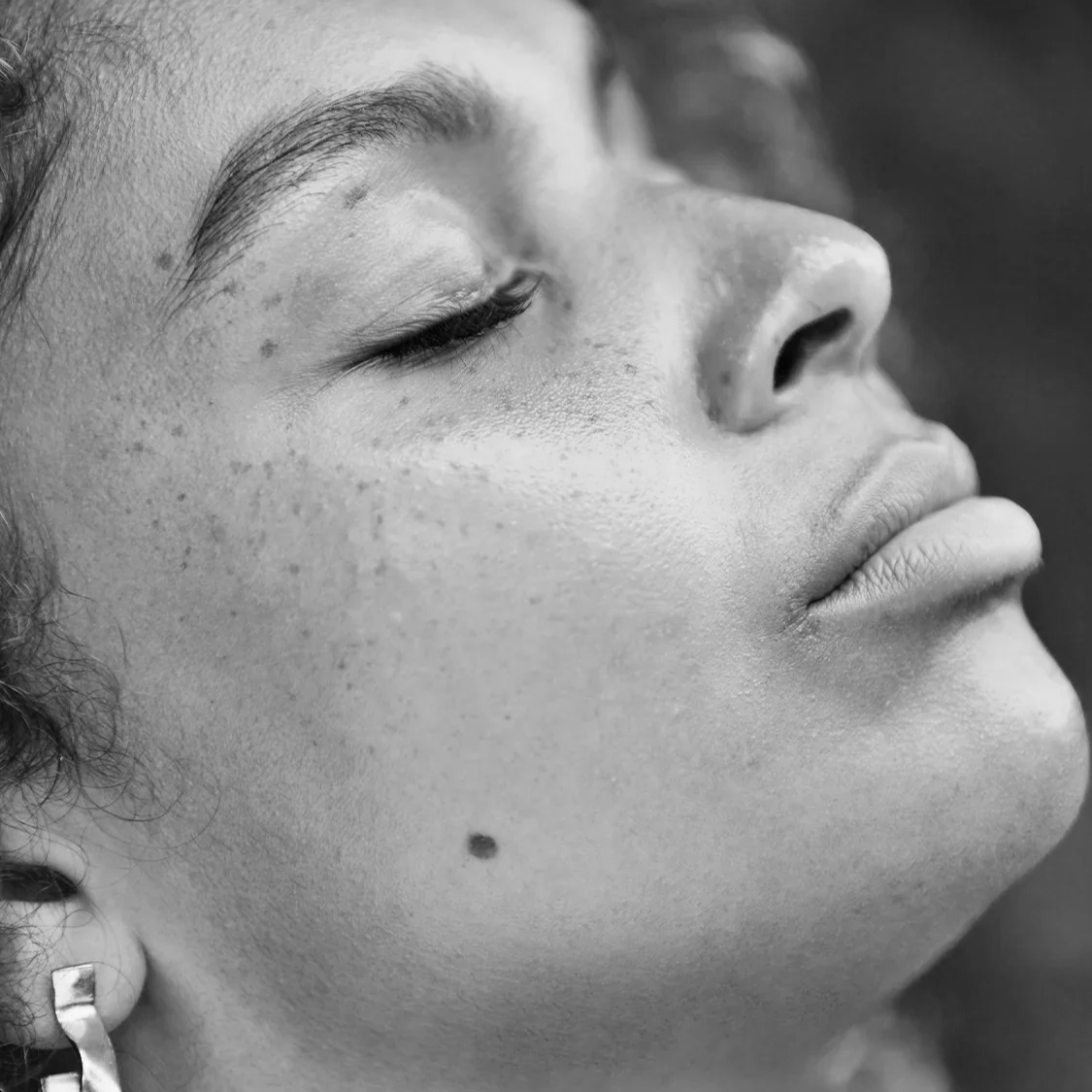
Many clients come in saying the same thing:
"My skin used to look more even — now the spots look darker, redness seems stronger, and changes feel harder to ignore."
This is especially common on the face, hands, and chest — areas that receive the most cumulative sun exposure over time.
These changes rarely appear overnight. Instead, they develop gradually, becoming more noticeable as skin loses some of its ability to repair and maintain clarity on its own.
Understanding why this happens helps explain why certain treatments become more helpful — and why timing matters.
Why Sunspots and Pigment Become More Noticeable
Sunspots often seem to appear suddenly, but in reality, most begin forming years earlier.
Ultraviolet (UV) exposure triggers pigment-producing cells in the skin. Over time, repeated exposure creates areas where pigment becomes concentrated. At first, these changes may be faint or barely visible.
As skin ages, pigment regulation becomes less consistent. This allows previously subtle spots to become darker and more defined.
Hands and chest are particularly vulnerable.
Unlike the face — where sunscreen use is more common — these areas are often exposed daily with less protection. Over time, this leads to visible sun damage that becomes more difficult to ignore.
Many clients first notice:
• darker spots on the cheeks or temples
• scattered pigment across the chest
• sunspots appearing on the backs of the hands
These changes are not unusual. They are the visible result of cumulative exposure combined with gradual changes in skin behavior.
Why Redness and Rosacea Often Become More Persistent
Redness behaves differently than pigment, but it follows a similar pattern of gradual progression.
In early stages, redness may appear only occasionally — after heat, exercise, or certain skincare products.
Over time, however, blood vessels can become more visible and slower to return to normal. This creates persistent redness that feels harder to control.
Rosacea often becomes more noticeable as skin becomes more reactive and less resilient to environmental triggers.
Clients commonly describe:
• flushing that lasts longer than before
• visible capillaries across the nose or cheeks
• redness that no longer fades easily
These changes are not simply cosmetic — they reflect changes in vascular behavior within the skin.
Why Loss of Firmness Becomes More Visible
Loss of firmness is one of the most commonly misunderstood changes in skin.
Many people assume firmness declines suddenly, but it actually shifts gradually over time.
Collagen production slows with age, and existing collagen becomes less organized. At the same time, skin loses some of its ability to maintain structure and density.
This leads to:
• softer skin texture
• less defined contours
• lines that linger longer
• skin that feels thinner or less resilient
These changes are subtle at first — but become more noticeable as skin quality evolves.
Why Home Care Alone Eventually Stops Being Enough
High-quality skincare products play an important role in maintaining skin health. They support hydration, strengthen barrier function, and help maintain gradual improvement.
However, there are limits to what home care can accomplish.
Some concerns — particularly pigment, vascular redness, and structural changes — develop beneath the surface of the skin.
When this happens, topical products alone may no longer produce visible change.
This is often the moment when clients begin noticing:
• spots that remain despite consistent skincare
• redness that does not respond to products
• texture changes that persist
• firmness that slowly declines
This does not mean skincare has failed. It simply means the level of intervention may need to change.
What Professional Treatments Do Differently
Professional treatments allow us to work at levels that home care cannot reach.
Light-based treatments, resurfacing technologies, and collagen-stimulating procedures are designed to target visible concerns more directly.
Depending on the concern, treatment may focus on:
• breaking up visible pigment
• reducing persistent redness
• improving overall skin clarity
• stimulating collagen activity
• refining surface texture
These treatments are not about doing more — they are about doing what home care alone cannot accomplish.
For many clients, this is where meaningful change becomes visible again.
Why the Face, Chest, and Hands Often Need Special Attention
The face, chest, and hands receive consistent exposure to environmental stress.
These areas are also more likely to show visible changes first.
Chest sun damage — often called poikiloderma — is especially common. It appears as uneven tone, redness, and scattered pigment that develops gradually over years.
Hands often reveal sun damage earlier than expected because they receive daily exposure without consistent protection.
Treating these areas thoughtfully can restore clarity and create a more even overall appearance.
When It May Be Time to Consider Professional Treatment
Not every skin concern requires advanced intervention.
However, certain signs suggest that professional care may be helpful.
These include:
• sunspots becoming darker or more numerous
• redness that persists between flare-ups
• chest discoloration that no longer fades
• skin texture becoming rough or uneven
• visible loss of firmness that continues over time
When these changes appear, a professional assessment helps determine what level of care is appropriate.
The Role of Consultation in Long-Term Skin Planning
Most clients do not need to decide on treatments alone.
A consultation provides clarity — not pressure.
During a consultation, skin is evaluated carefully to determine:
• what changes are visible
• what changes are developing beneath the surface
• what treatment options are realistic
• what timeline makes sense
From there, a plan can be created that supports long-term improvement rather than short-term correction.
The Takeaway
Skin changes such as sunspots, redness, and loss of firmness rarely appear suddenly. They develop gradually over time, becoming more visible as skin behavior evolves.
Home care remains essential — but there are times when professional treatments provide the additional support needed to create meaningful change.
Understanding when that transition occurs allows skin care decisions to feel thoughtful rather than reactive.
If you’ve noticed sunspots becoming more visible, redness lingering longer, or changes in firmness that concern you, a consultation can help determine what steps make the most sense moving forward.