When Winter Skin Slows Down, Mandelic Acid Steps In
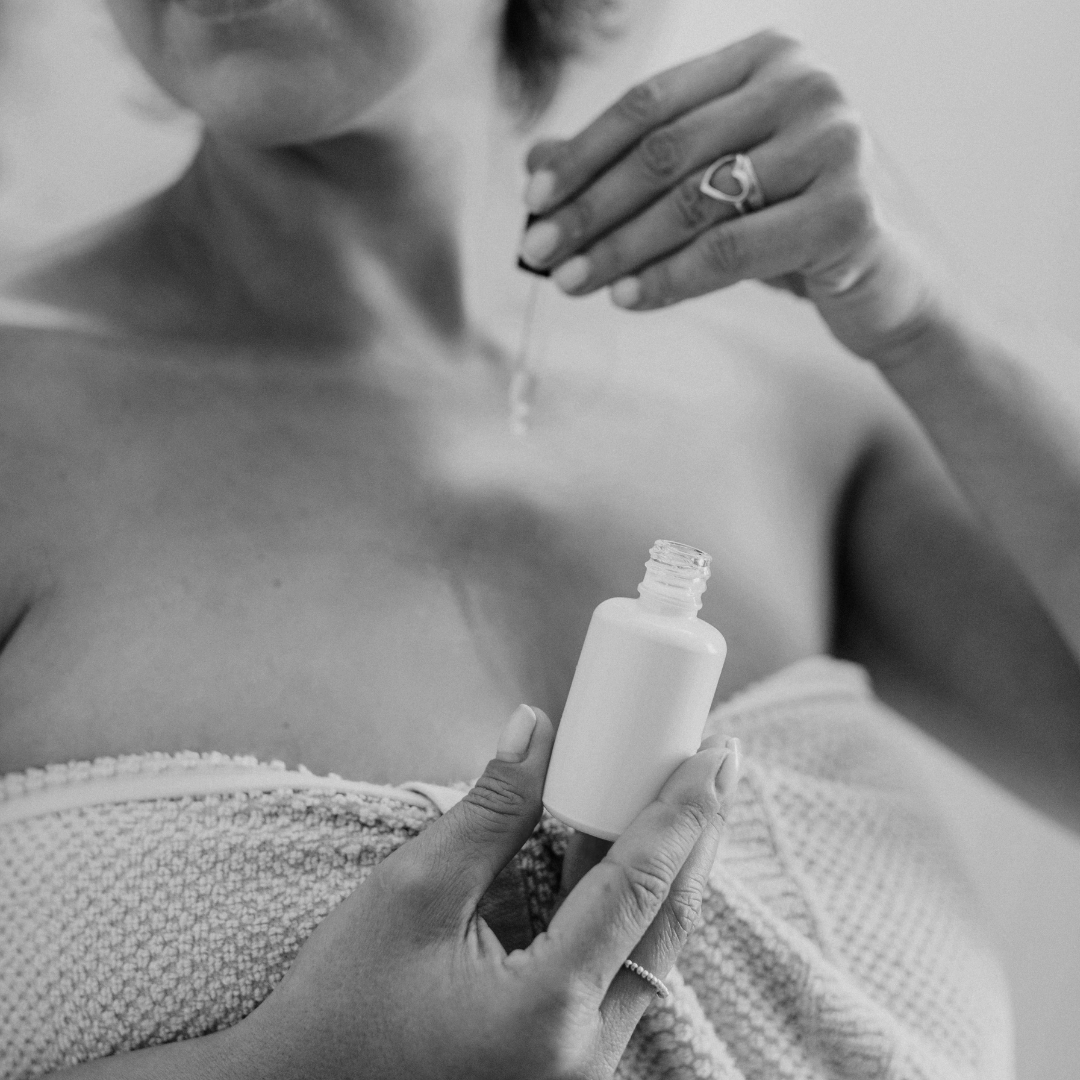
Winter has a way of changing how skin feels day to day. The air becomes drier, routines get disrupted, and the complexion can shift from clear to congested almost overnight. Many people pause exfoliation this time of year, assuming acids will only worsen dryness. The goal isn’t to stop exfoliating but to select ingredients that suit the skin’s winter pace. Mandelic acid provides a gentle path to clarity: slower absorption, more consistent renewal, and improvement that doesn’t come at the cost of comfort.
Why Mandelic Acid Is the Smartest Winter Exfoliant
Winter has a way of changing how skin feels day to day. The air gets drier, routines get interrupted, and the complexion can shift from clear to congested almost overnight. Many people pause exfoliation this time of year, assuming acids will only make dryness worse. The goal isn’t to stop exfoliating, but to choose ingredients that work with the skin’s winter pace. Mandelic acid offers a gentle route to clarity: slower absorption, steadier renewal, and improvement that doesn’t come at the cost of comfort.
Winter changes skin on a predictable biological level. Cooler air, lower humidity, and forced indoor heat all have measurable effects on the skin barrier. Hydration evaporates more quickly; lipids deplete faster; inflammation becomes easier to trigger. Exfoliation is often one of the first things people stop when the weather turns cold, assuming acids will be too harsh.
The truth is more nuanced. Winter doesn’t mean no exfoliation — it means smarter exfoliation, and mandelic acid quietly stands out as one of the most effective and reliable options.
This month, we’re looking closely at why mandelic acid works when winter skin doesn’t — and how gentle, predictable renewal can make the difference between skin that struggles and skin that stays consistently clear.
Understanding Why Winter Makes Exfoliation Difficult
Skin doesn’t shed evenly in colder weather. Natural desquamation (the cycle of cells moving from deeper layers to the surface) slows down because the enzymes that regulate exfoliation require adequate moisture to function.
When hydration drops, skin does two contradictory things:
Hold tight to dead surface cells (leading to congestion and dullness)
Become more reactive and sensitive to topical actives
This combination is why people often feel “rough but reactive” in winter — clogged pores and redness appearing at the same time.
Traditional AHA exfoliants like glycolic acid or lactic acid can be effective, but they penetrate quickly. Quick penetration in an already compromised barrier increases the likelihood of tingling, dryness, or inflammation.
The goal in winter is slower, steadier exfoliation — not intensity.
Why Mandelic Acid Is Different
Mandelic acid belongs to the alpha hydroxy acid family, but it behaves differently from its cousins. The reason is beautifully simple:
Molecular size.
Mandelic acid has a larger molecular structure than glycolic or lactic acid. Larger molecules absorb more slowly through the stratum corneum (the top layer of the skin).
Imagine it like walking, not sprinting, through the barrier.
Slower absorption = less irritation
Less irritation = more consistency
And in skincare, consistency always trumps intensity.
This gentle, controlled penetration means mandelic acid can:
Clear congestion
Support normal cell turnover
Smooth uneven texture
Improve visible clarity
…while remaining relatively low-risk for redness, peeling, or barrier disruption.
Who Mandelic Acid Helps Most in Winter
Winter sensitivity is common, even in skin that behaves normally in spring or summer. Mandelic acid is particularly useful for the following groups:
1. Redness-prone skin
Those with reactive cheeks, seasonal flushing, or visible irritation benefit from exfoliation that doesn’t cause unnecessary inflammation.
2. Acne-prone or “bumpy” texture
Mandelic acid has mild antibacterial and sebum-regulating behavior, making it ideal for superficial congestion, “tiny bumps,” and post-breakout texture.
3. Clients using retinoids
Retinol and adapalene already demand barrier attention. Mandelic acid offers an exfoliation method that does not clash with retinoid use when applied thoughtfully.
4. Sensitive or combination skin
Those who feel dryness and congestion at the same time (a classic winter pattern) often find mandelic acid comfortable and predictable.
5. Clients afraid of chemical exfoliation
Mandelic is often described as a “confidence acid” — one that introduces exfoliation without overwhelming you or creating fear around irritation.
Mandelic Acid and Post-Inflammatory Marks
One of the most under-discussed benefits of mandelic acid is its relationship with discoloration. Winter is a strategic time to address post-acne marks because UV exposure is lower.
Mandelic acid supports:
Faster fading of pink or brown marks
More even skin tone
Reduced appearance of stubborn “memory spots” from old breakouts
This makes mandelic particularly valuable during winter corrective plans, when the goal is steady improvement without aggression.
The Barrier Question: Why Gentleness Matters
The skin barrier (the lipid matrix that protects against water loss and irritation) is weakened faster in winter. Exfoliation that disrupts the barrier in cold weather has a compounding effect — one negative reaction can create weeks of dryness, redness, and discomfort.
Mandelic acid has two major advantages here:
Predictability
Winter skin thrives on routines that don’t surprise it. Mandelic acid allows clients to exfoliate regularly without guessing if today will be a “good reaction” day.
Compatibility
Mandelic pairs well with barrier-support ingredients like:
Niacinamide
Ceratives
Panthenol
Hyaluronic acid
Licorice root
Chamomile
This creates a correction + comfort combination rarely found in stronger acids.
Gentle Doesn’t Mean Weak
One of the misconceptions around mandelic acid is that “gentle” implies ineffective. In clinical research, mandelic acid has shown measurable improvements in:
Surface texture
Mild to moderate acne
Post-inflammatory hyperpigmentation (PIH)
Diffuse redness
Its antibacterial activity and lipid solubility give mandelic a slight “BHA-like” behavior, allowing it to reach inside pores more effectively than most AHAs.
In other words: it works below and above the surface — rare for a winter-safe exfoliant.
How Winter Routine Design Should Change
IInstead of layering multiple resurfacing ingredients, winter encourages a less, but better philosophy:
One steady exfoliant
One consistent antioxidant
One reliable barrier support strategy
One daily sunscreen
Mandelic acid is the exfoliant that holds this entire approach together. It becomes the quiet workhorse in a season where dramatic skincare often backfires.
A winter routine might look like:
• Cleanse
• Mandelic acid (1–3 nights per week)
• Barrier-support moisturizer
• SPF every morning
Even this minimal structure can create visible, comfortable progress through colder months — clarity without disruption, and improvement that stays consistent.Mindset Shift: Progress, Not Punishment
Winter skincare shouldn’t feel like starting over every December.
Mandelic acid gives you a sense of control and continuity — two things often missing in holiday months with unpredictable schedules and elevated stress.
It allows skin to:
Stay clear
Feel comfortable
Look consistently refined
Avoid “rebound” irritation
Without forcing intensity, downtime, or strategic product “breaks.”
Consistency is the true corrective treatment in winter — and mandelic acid makes consistency possible.
Conclusion
Winter demands a different approach to exfoliation. Instead of pushing harder with resurfacing, the most effective strategy is choosing ingredients that work with the skin’s slower, more reactive state.
Mandelic acid delivers clarity without volatility. It refines without stripping. It supports renewal without compromising the barrier. And most importantly, it allows clients to maintain predictable progress even during months when everything else feels unpredictable.
Gentle is not the opposite of effective — in winter, gentle is effective.